
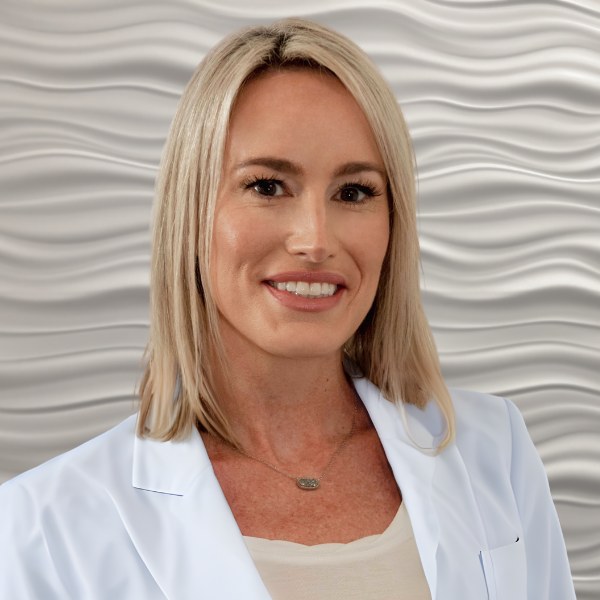
Breast imaging, explained clearly
Caroline A. Kilian, MD is a breast imaging radiologist, fellowship-trained at UCLA, reading mammograms, breast ultrasound and breast MRI in Pasadena, California and Scottsdale, Arizona.
What brings you here today?
Going for a screening mammogram
When to start, how often, and what happens on the day.
Read the guide →02Called back after a mammogram
Why callbacks happen and what to do next.
Read the guide →03Told I have dense breasts
What the density notice means and when extra imaging is discussed.
Read the guide →04A biopsy has been recommended
How an image-guided needle biopsy works and what happens next.
Read the guide →What a breast imaging radiologist does
Reads your images
Interprets screening and diagnostic mammograms, 3D mammography, breast ultrasound and breast MRI, compares them with earlier exams and writes a clear report with a recommendation.
Performs needle biopsies
When a finding needs a closer look, performs image-guided needle biopsy and checks that the pathology result matches the imaging.
Works with your care team
Shares results with your doctor. If a biopsy finds cancer, she passes the imaging and biopsy findings to the clinicians who plan and provide treatment.
What your BI-RADS number means
Breast imaging reports commonly use BI-RADS categories 0 to 6 to summarize findings and guide the next step.
BI-RADS explained →“Medicine teaches us to look deeper than the obvious, and radiology makes that effort part of everyday work. Sometimes a single, barely visible detail on an image can change the direction of a diagnostic search and shape what happens next in a person's life.”
— Caroline A. Kilian, MD
Read her full words →A callback is a question, not a diagnosis
Fewer than 1 in 10 women who are called back after a screening mammogram are found to have cancer. A callback usually starts with additional mammogram views, ultrasound, or both — schedule the follow-up even if you feel well.
What happens after a callback →When to start mammograms
Start at 40
Women at average risk should begin screening at 40, according to both the USPSTF and the American College of Radiology.
Every one or two years
The USPSTF recommends every two years from 40 to 74; the ACR recommends every year. Discuss the schedule with your doctor.
Know your risk by 25
The ACR recommends a risk assessment by age 25, so women at higher risk can start earlier and may add MRI.
Frequently asked
What does a breast imaging radiologist do?
A breast imaging radiologist interprets mammograms, breast ultrasound and breast MRI, recommends next steps, and may perform image-guided needle biopsies.
Does Dr. Kilian treat breast cancer?
No. Dr. Kilian's role is breast imaging and biopsy. If a biopsy finds cancer, she shares the imaging and biopsy findings with the clinicians who plan and provide treatment.
How do I get my results?
For a mammogram, the facility sends you a written summary in plain language and generally sends the full report to your doctor. For other exams, ask the center how you will receive results.
How do I schedule an exam?
Call the imaging center directly. The scheduling team can tell you whether you need an order from your doctor and which location is best for your exam.
Where Dr. Kilian practices
Exams are scheduled through the imaging centers. Call to confirm where your exam is offered.
Pasadena & West Covina
Huntington-Hill Breast & Imaging Center (Hill Medical Corporation)
Fair Oaks625 S. Fair Oaks Avenue, Suite 180
Pasadena, CA 91105West Covina
1509 W. Cameron Avenue, Suite D-100
West Covina, CA 91790
Scottsdale
Southwest Medical Imaging (SMIL) and HonorHealth, Scottsdale